Green Initiatives: How E-Waste Recycling Services Are Protecting Our Planet
Electronic waste presents serious dangers to the environment, as disposed electronics frequently harbor hazardous substances. These toxic materials have the potential to taint soil and water sources, resulting in widespread environmental harm. E-waste recycling initiatives provide a practical answer. They successfully retrieve useful resources while simultaneously minimizing environmental pollution. Gaining insight into how these programs function and affect local communities is critical. Pursuing efficient e-waste management brings forth pressing questions regarding individual duties and shared responsibility. What steps can be taken next?
The Reasons E-Waste Is Damaging to the Planet
Even though technological advancements improve modern life, e-waste poses serious threats to the environment. Abandoned electronic gadgets, frequently composed of hazardous materials such as lead, mercury, and cadmium, are capable of seeping pollutants into soil and groundwater, presenting dangers to both wildlife and human well-being. The swift progression of technology contributes to higher rates of electronics disposal among consumers, worsening the buildup of discarded electronic materials.
Landfills, already strained by waste, are unable to keep up with the rising quantities of abandoned electronics. Incineration, a common waste management technique, emits dangerous pollutants into the environment, degrading atmospheric conditions. Furthermore, inadequate recycling methods can result in the shipment of electronic waste to underdeveloped nations, where workers may break down equipment without proper protective measures, putting themselves at risk of exposure to hazardous materials. This pattern of negligence and mismanagement highlights the critical demand for eco-friendly recycling alternatives that can reduce the damaging impact of electronic waste on the environment.
What Is E-Waste and Why Is It Important?
E-waste, also referred to as electronic waste, comprises discarded electronic devices such as televisions, computers, and smartphones that have reached the end of their useful life. This increasingly prevalent form of waste is important due to its rapid accumulation, driven by technological advancements and consumer trends. As growing numbers of electronics become outdated, the environmental impact intensifies, with toxic materials such as lead, mercury, and cadmium presenting serious hazards to the environment and human well-being.
The importance of addressing e-waste lies not only in mitigating these hazards but also in recognizing the valuable materials it contains. Precious metals and rare earth elements can be recovered and reused, reducing the need for Explore now mining and conserving natural resources. Through a deeper awareness of e-waste and its consequences, both individuals and organizations can make well-informed choices regarding disposal and recycling, thereby supporting a more sustainable future. Proper management of e-waste is essential for fostering a circular economy and promoting environmental stewardship.
The Way E-Waste Recycling Functions
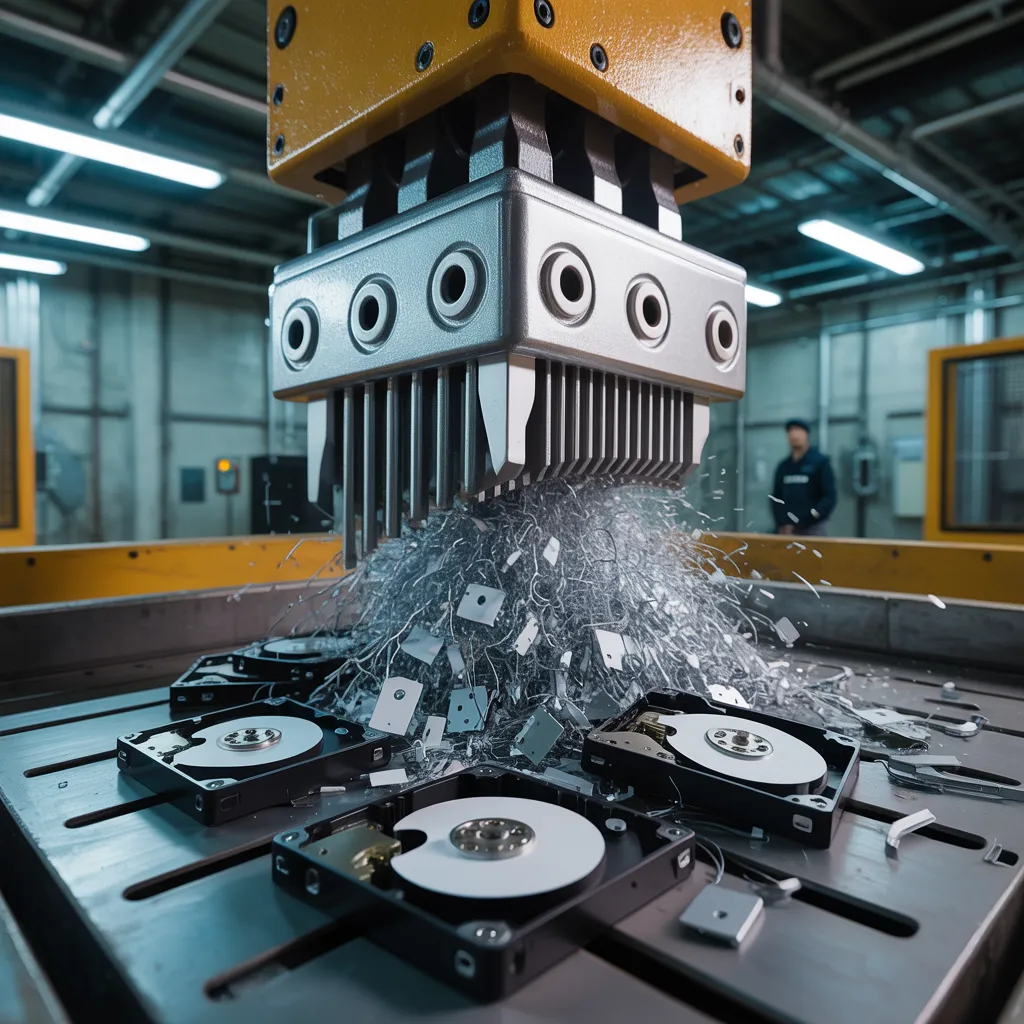
Recycling e-waste involves a systematic process aimed at reclaiming useful resources while reducing harm to the environment. At the outset, electronic waste is gathered and delivered to purpose-built recycling plants. Upon arrival, the devices undergo thorough sorting to separate hazardous components from recyclable materials.
Next, workers deconstruct the products, extracting glass, metals, and plastics. This phase is essential, as it facilitates the extraction of precious metals like silver, gold, and copper, which can be reused in new electronic products.
Following this, the sorted materials are refined via advanced techniques, such as mechanical shredding and chemical processing, to prepare them for further use.
Ultimately, the residual hazardous waste is handled with responsibility, complying with environmental guidelines. This systematic method not only saves important resources but also mitigates the risks associated with unsafe e-waste handling, securing a more eco-conscious future for the consumption of electronics.
The Benefits of E-Waste Recycling for You and Your Community
Although it often goes unnoticed, the benefits of e-waste recycling extend beyond personal convenience to positively impact entire communities. By properly recycling electronic waste, individuals contribute to a safer environment, reducing harmful substances that can contaminate soil and water. This proactive approach actively safeguards local ecosystems and promotes public health.
In addition, electronic waste recycling supports job creation within communities. Community recycling operations commonly require workers for diverse activities, covering everything from collection to processing, thus generating valuable job opportunities to area workers. This not only enhances the community economy but also encourages community engagement in sustainable practices.
Moreover, awareness of e-waste recycling is capable of inspiring learning opportunities, encouraging residents to adopt eco-friendly choices. By taking part in e-waste recycling programs, individuals promote a culture of sustainability, motivating others to embrace similar practices. In summary, the collective impact of these actions can contribute to a more resilient and environmentally responsible community.
How to Pick an E-Waste Recycling Service
Choosing the most suitable electronic waste recycling provider is crucial for guaranteeing that electronic refuse is managed with responsibility and sustainability. To begin, individuals should check the provider's accreditations, such as R2 and e-Stewards certifications, which demonstrate adherence to professional guidelines for safe recycling practices. It is equally important to examine the provider's credibility by reviewing feedback and looking for advice from dependable sources.
Furthermore, openness in the recycling process is crucial. A reliable provider should supply straightforward details about the way e-waste is handled and how the materials are utilized. Furthermore, assessing the variety of services available can be advantageous; various firms may supply retrieval services or extend benefits for recycling.
Finally, being aware of local regulations regarding e-waste disposal can additionally influence the selection process. When these considerations are given priority, consumers can play a role in effective e-waste management alongside encouraging sustainable environmental efforts.
How You Can Get Involved in E-Waste Recycling?
Engaging in e-waste recycling may begin at the local level, where community recycling hubs regularly supply essential services for proper disposal. Additionally, taking part in community awareness campaigns can strengthen efforts to educate others about the importance of ethical e-waste practices. Such efforts not only promote sustainability but also build a collective sense of accountability for the environment.
Regional Recycling Centers
Several local recycling centers perform an important function in the recycling of e-waste, providing communities with accessible options to handle electronic waste in a responsible manner. These facilities handle a selection of electronic items, including aging computers, cell phones, and television sets, making certain that hazardous materials are managed safely. Many hubs feature knowledgeable personnel who are able to assist individuals with correct disposal techniques, underscoring the benefits of recycling compared to landfilling. Furthermore, many centers offer organized drop-off opportunities or appointed collection periods, making it easy for residents to participate. Through the use of these community services, individuals contribute to a circular economy, minimizing ecological impact and fostering sustainable behaviors. Partnering with these facilities allows communities to address e-waste pollution proactively.
Community Education Campaigns
Local organizations, schools, and businesses can collaborate to host events that promote e-waste collection drives. Volunteers can play a pivotal role in promoting knowledge, handing out educational content, and interacting with the surrounding community. Through these collective efforts, residents become more informed and motivated to recycle their electronic waste, thereby helping to build a greener and more sustainable tomorrow.
Common Questions and Answers
What Kinds of Electronics Can Be Recycled?
Various electronics may be recycled, including smartphones, computers, laptops, televisions, printers, and gaming consoles. Additionally, ancillary devices such as keyboards, mice, and batteries are also suitable for recycling, contributing to sustainable environmental practices.
Are There Fees Involved With E-Waste Recycling?
Indeed, e-waste recycling may involve fees, depending on the facility. Some facilities impose charges for collection or processing, while others provide no-cost solutions, often subsidized by the resale of recovered materials.
How Can Businesses Benefit From E-Waste Recycling?
Businesses can benefit from e-waste recycling by reducing disposal costs, improving their green reputation, adhering to regulatory requirements, extracting valuable resources, and creating potential earnings via resale, thus supporting a greener and more sustainable operational framework.
What Becomes of Data on Recycled Devices?
Details from repurposed equipment is frequently completely removed or destroyed during the refurbishment process. This ensures sensitive information stays protected, preventing unauthorized access while permitting resources to be recycled safely and responsibly across new manufacturing processes.
Is It Possible to Recycle Damaged Electronics?
Yes, defective electronics are able to be recycled. Numerous collection points process non-functioning devices, guaranteeing safe disposal and retrieval of recoverable materials. Doing so helps reduce the environmental footprint while fostering responsible recycling practices to control e-waste responsibly.